Korean Culture × Global Pop
The Philosophy
Inside the Beat
Every movement carries centuries. Prof. Kim Ji-won's scholarship decodes the deep cultural intelligence woven into K-pop.
Explore
Scroll
Korean Culture × Global Pop
Every movement carries centuries. Prof. Kim Ji-won's scholarship decodes the deep cultural intelligence woven into K-pop.
ExploreReleased March 20, 2026, ARIRANG is BTS's first full-length album since all seven members completed mandatory military service. It is their most explicitly Korean record — and through Prof. Kim Ji-won's frameworks, its depths become legible.
Arirang is one of Korea's oldest folk songs, with roughly 3,600 regional variations. Sung during the Japanese colonial occupation as resistance, and after the peninsula's division as a lament for separation, it carries within it the full weight of han — accumulated grief — and the forward aspiration that transforms it.
The album's opening track, "Body to Body," directly samples the traditional Arirang melody, performed by musicians from the National Centre for Korean Traditional Music. The album's animated teaser depicted seven young men crossing the Pacific by boat as the melody played — tracing Arirang's global diaspora journey and BTS's own.
The album's emotional spine is the journey of han (恨) — grief accumulated through years of separation during mandatory service — toward sinmyeong, collective transcendence and release. Prof. Kim identifies this as the foundational movement of Korean art: not suppressing pain, but fermenting it into something vital.
Kim's triadic model maps precisely onto the album's structure: maetim (binding, the weight of separation), sakim (fermenting — the solo years and military service as inner maturation), and puri (release — the reunion and the album itself as collective resolution).
The title track "SWIM" — with its maritime cinematic MV filmed aboard an actual tall ship — channels heung (興), the rhythmic principle of forward momentum and joyful exuberance. Lili Reinhart's character is guided to "swim" forward, mirroring the Korean philosophical principle: transcendence through movement, not escape.
Kim's pan (판) theory — the play arena where boundaries dissolve between performer and audience — explains BTS's extraordinary fandom bond. ARIRANG's Netflix live event and accompanying documentary "BTS: THE RETURN" extended the album into a full communal experience, a contemporary gut (굿): a ritual of healing.
Directed by Tanu Muino and filmed in Lisbon on an actual tall ship, the "SWIM" music video reinvents the Korean mythological image of crossing the sea. The ship — with all seven members guiding a central character through turmoil — echoes the role of the musok practitioner in traditional Korean ritual: a guide who navigates between states of suffering and resolution.
The use of white nautical attire resonates with Prof. Kim's color theory: white in Korean tradition signifies purity, transition, and the liminal space between states — mourning that contains the seed of renewal.
"Dance is not entertainment. It is the body's encounter with its own history — a living text that carries what language cannot." — Prof. Kim Ji-won
"Body to Body" — the album's first track, sampling the ancient Arirang melody — establishes the philosophical ground: the body as the site where centuries of Korean experience are stored and transmitted. BTS, in this framework, are not merely pop artists. They are contemporary practitioners of Korea's oldest communicative tradition: embodied cultural transmission.
Long before ARIRANG, BTS's work has been a living archive of Korean philosophical and aesthetic principles. Prof. Kim Ji-won's frameworks illuminate what international audiences sense but cannot yet name.
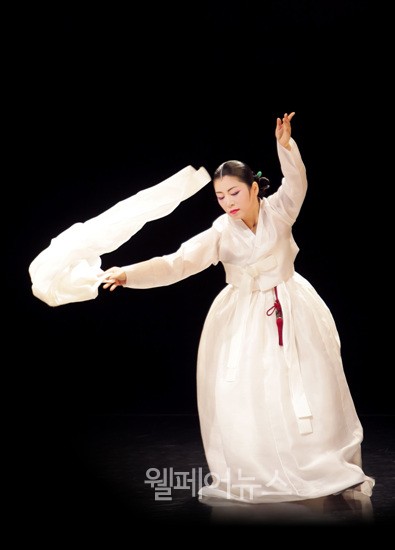
"I Need U" — Melon Music Awards
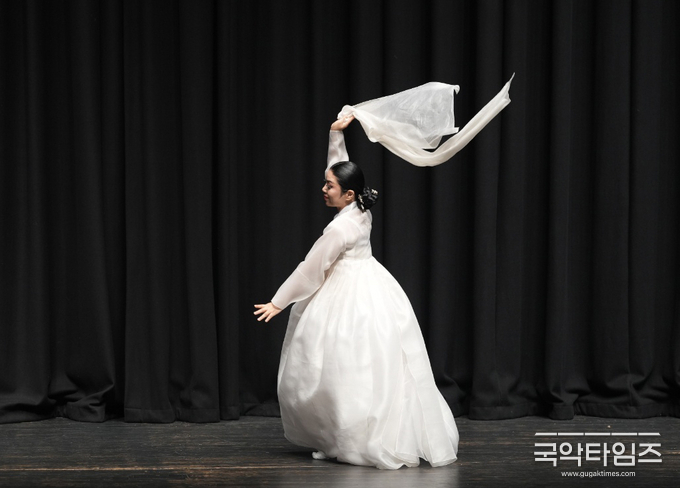
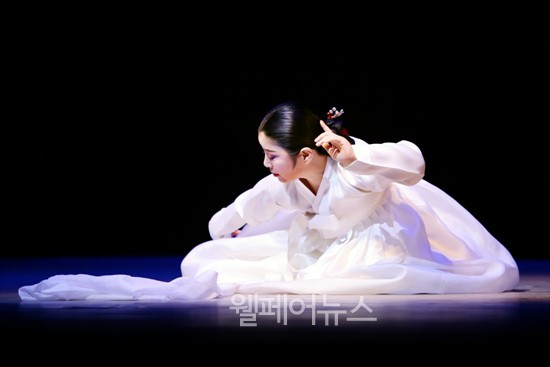
Jimin's white-fabric solo is a direct expression of Salpuri 춤 (살풀이춤) — the ritual Korean dance once performed to release unresolved spiritual energy. Prof. Kim's framework identifies the white cloth as an extension of the body that traces han through space.
The tension and release of the fabric mirrors maetim-sakim-puri: emotional binding, inward composure, and final release. "Even without knowing this context, people felt it" — because the aesthetic codes are pre-linguistic.
Across discography
BTS's signature circular group formations echo wonhyeong (圓形) — the circular form as a foundational Korean aesthetic shape. In Kim's analysis, the circle represents unity, eternity, and cosmic harmony: the group as a single living organism rather than seven individuals.
BLACKPINK's global visual power is not accidental. Through Prof. Kim's frameworks, their choreography and production reveal a sophisticated inheritance of Korean aesthetic principles recontextualized for the contemporary stage.
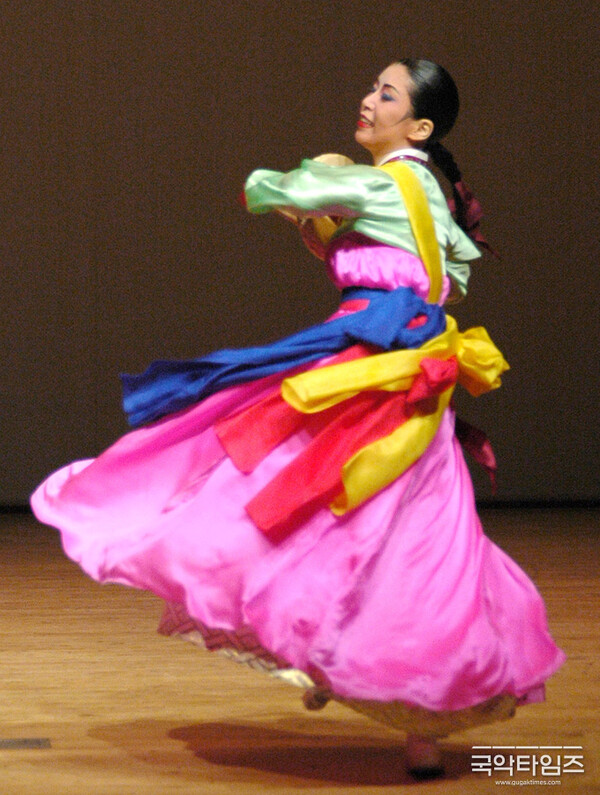
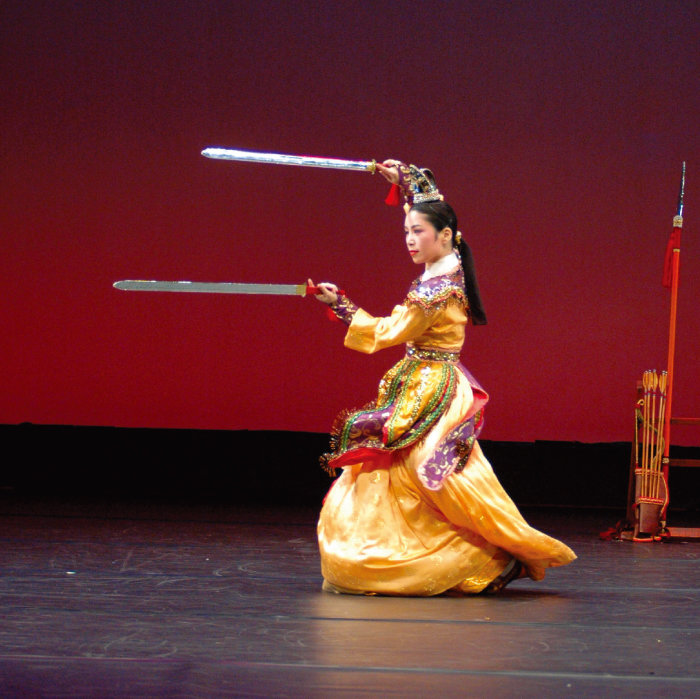
BLACKPINK's angular precision — sharp lines, deliberate stillness between movements — reflects Pilche (筆體, Brush Form), one of the three archetypal movement structures in Korean dance. Line drawn in blank space. The stillness is not absence; it is yeobaek: active negative space that gives the movement its power.
Applied in: "DDU-DU DDU-DU," "Shut Down"
Kim identifies haehak (해학) — the Korean aesthetic of wit and humor — as a distinct form of beauty. BLACKPINK's bold confidence and self-aware spectacle operate within this tradition: comedy and power are not opposites but twin expressions of a liberated aesthetic consciousness.
Applied in: "Pink Venom," "How You Like That"
BLACKPINK's powerful unison choreography creates what Kim calls sinbaram (神바람) — the communal manifestation of spirited joy shared between performers and audience. Their performances function less as concerts than as modern nori (놀이): voluntary, joyful communal play where the boundary between stage and crowd dissolves.
Applied in: Live performances, Born Pink World Tour
Kim's color theory — rooted in Obangsaek (五方色), the five directional colors of Korean cosmic philosophy — illuminates BLACKPINK's visual identity. Black (North, depth, mystery) and Pink (femininity, vitality, transition) are not commercial choices alone; they operate within a color-as-ideology framework encoded in Korean cultural memory.
Applied in: Brand identity, album art, MV palette
These are the scholarly tools. Each concept is a lens — developed through decades of research — that makes Korean performance culture legible to the world.
맺음 · 삭임 · 풀음
The triadic model of Korean dance and emotional experience. Binding — the accumulation of grief, resentment, or unresolved energy. Fermenting — inward composure, maturation through restraint, not suppression but digestion. Release — the ecstatic discharge of vital energy, the moment of communal healing. This structure underlies traditional ritual dance, court performance, folk performance — and contemporary K-pop.
무용기호학
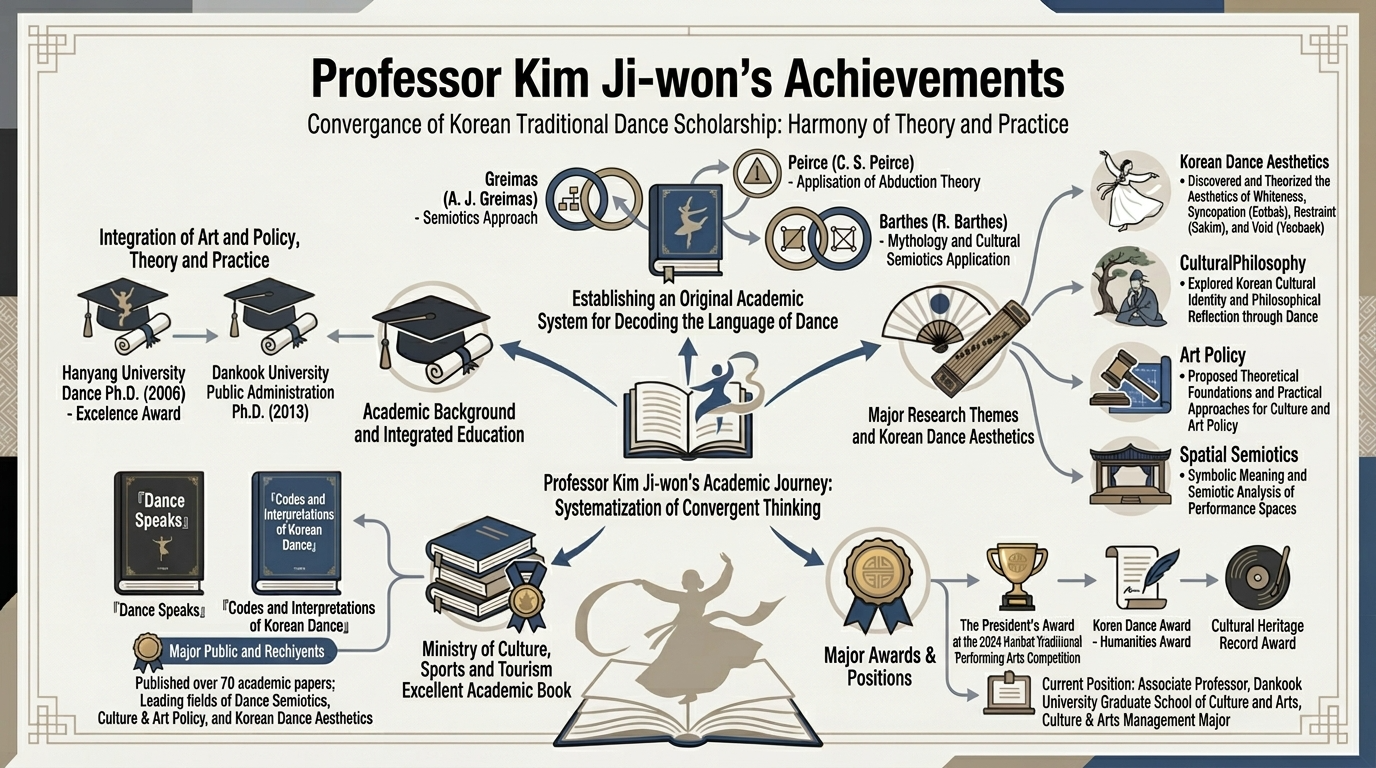
Movement as sign system. Dance operates through aesthetic codes — not arbitrary symbols but iconic and indexical signs connecting to psychological and philosophical meaning. Prof. Kim applies Greimas's semiotic square, Peirce's sign theory, and Barthes's mythology to Korean dance, establishing a rigorous analytical vocabulary.
궁체 · 필체 · 학체
Gungche (弓體, Bow Form): curved, flowing, organic — restraint and natural beauty. Pilche (筆體, Brush Form): line in blank space, minimalism and suggestion. Hakche (鶴體, Crane Form): animal imitation, spiritual aspiration, purity. Together they constitute the aesthetic vocabulary of Korean dance.
한 · 신명 · 흥
The core emotional triad of Korean aesthetic experience. Han (恨): accumulated grief with aspiration embedded within it — not defeat but the mind blocked, seeking release. Sinmyeong (神命): divine ecstasy, the liberation of suppressed life-force. Heung (興): joyful rhythmic momentum, the positive energy that drives movement forward.
판 · 놀이
Korean performance is rooted in communal play, not courtly formalism. The pan (판) — the play arena — has no clear boundary between performer and audience. Gut (굿) is ritual play aimed at communal healing. K-pop concerts, fan culture, and the parasocial intensity of ARMY are modern manifestations of this ancient participatory framework.
선 · 여백
Korean beauty is fundamentally curvilinear — asymmetric, unfinished, gentle. Yeobaek (여백), blank space, is not absence but active aesthetic principle. The empty moment in choreography, the pause before a chorus, the held breath before release — these are not gaps but the Korean aesthetic in operation.
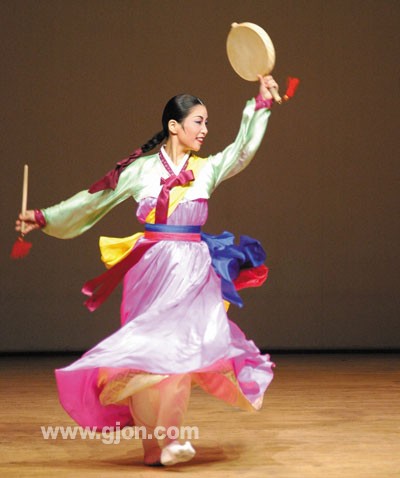
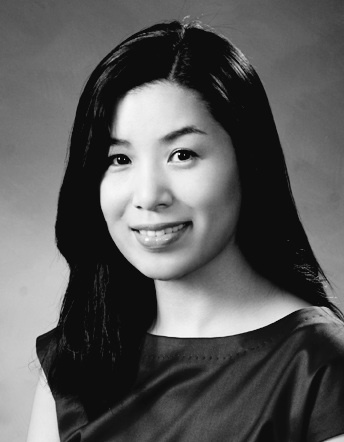
Professor Kim Ji-won is a pioneering scholar of Korean dance, semiotics, and cultural philosophy. A presidential award recipient and practitioner-scholar, she has developed the most rigorous analytical frameworks for understanding Korean movement culture as a living intellectual tradition.
Her work encompasses dance semiotics, Korean aesthetic philosophy, regional dance traditions, animal symbolism, cross-cultural performance theory, and the intersection of traditional culture with digital media. She understands Korean dance not as technique or entertainment, but as embodied knowledge — the body as a text carrying centuries of worldview.
This site applies her intellectual property to the global phenomenon of K-pop — making visible the deep Korean cultural intelligence that gives BTS, BLACKPINK, and their contemporaries their extraordinary resonance.
Visit chamheritage.com →
ARMY has always known something was different. Not just good — different. Prof. Kim Ji-won has spent 30 years proving why. Here is what you already understood.
Why does Jimin's white fabric make me cry even though I don't understand a single word?
The white fabric is not a prop. It is the body writing han through space — the extension of accumulated grief made visible. Salpuri is an ancient Korean ritual dance performed to release unresolved spiritual energy. The aesthetic code is pre-linguistic. You were always supposed to feel it before you could name it.
— Prof. Kim Ji-wonThe silence before the drop in Black Swan is louder than the music itself.
You heard yeobaek — blank space as active aesthetic principle. In Korean art, emptiness is never absence. The pause carries the full weight of everything that precedes it. The held breath before release is the Korean aesthetic in operation. You heard it correctly.
— Prof. Kim Ji-wonBTS concerts feel like church — but for people who don't go to church.
You experienced pan (판) — the traditional Korean play arena where the boundary between performer and audience dissolves completely. Gut is ritual play aimed at communal healing. What you felt was not manufactured spectacle. It was collective sinmyeong: the ecstatic release of suppressed life-force, shared by everyone in the room.
— Prof. Kim Ji-wonI didn't realize how much I had been holding until ARIRANG came out and I just… let go.
You completed the cycle. Maetim — the binding, the years of separation and waiting. Sakim — the inner holding, the maturation through restraint. Puri — release. Prof. Kim's triadic model of Korean emotional experience describes exactly what you lived through as a fan. The album was not just music. It was a communal ritual of healing.
— Prof. Kim Ji-wonDynamite makes me physically unable to sit still. My body just moves.
Your body recognized heung (興) — the rhythmic principle of joyful forward momentum that drives Korean performance. It is not simply a catchy beat. It is a deep cultural code of vitality that has animated Korean communal celebration for centuries. Your body's response was not involuntary. It was correct.
— Prof. Kim Ji-wonWhen all seven of them stand in a circle it feels like something is complete. Like the universe closed.
You perceived wonhyeong (圓形) — the circular form as a foundational Korean aesthetic shape representing unity, eternity, and cosmic harmony. BTS's circular formations are not choreographic preference. They are a visual declaration: seven individuals becoming a single living organism. You felt the philosophy, not the geometry.
— Prof. Kim Ji-wonBetween 2023 and 2025, one by one, all seven members of BTS fulfilled mandatory military service. For ARMY, it was not just an absence — it was accumulation. Every month without a comeback, every solo release that reminded you they were separate, every empty stage where they used to stand together.
Prof. Kim Ji-won calls this maetim (맺힘) — the binding phase. The emotional knot tightening. Han (恨) — grief that contains within it the seed of aspiration — building in the chest of millions of fans who waited, not knowing when the release would come.
"I kept their playlists on shuffle just so it wouldn't feel like they were gone."
But something else happened during those years. Each member — RM with his art and reflection, Jimin with his solo work, Jungkook exploring new sounds, Suga producing, J-Hope performing — was not stagnating. They were sakim (삭임): the inward maturation phase, the gradual dissolution of one form before emerging as something deeper.
In Korean philosophy, sakim is not waiting. It is fermenting — the way grief becomes wisdom, the way separation becomes clarity. The military years were not a pause in BTS's story. They were the necessary interior phase of the greatest arc of their career.
"Their solo music hit differently. Like they were each finding something they could only find alone."
Arirang is Korea's oldest folk song. Over 3,600 regional variations. Sung by the Korean people under Japanese colonial occupation as quiet resistance. Sung across the divided peninsula — North and South — as the one song both halves still knew. Sung by the diaspora in every country they scattered to.
It is a song about separation. About walking over a mountain pass and leaving someone behind. About the grief of distance — and the unbroken thread of connection that survives it.
When BTS chose this title, they were not making a commercial decision. They were placing their reunion inside a 600-year-old Korean tradition of separation, endurance, and return. They were saying: what we carried apart is what Korea has always carried.
"The moment I understood what Arirang meant historically, I had to put my phone down and just sit with it."
March 20, 2026. ARIRANG drops. "Body to Body" opens the album with the traditional Arirang melody — performed by musicians from the National Centre for Korean Traditional Music — before transforming into something entirely BTS. The past and present, held in the same breath.
This is puri (풀음) — release. Not as explosion, but as resolution. The knot loosened. The grief that contained aspiration finally arriving at what it was always moving toward. The cycle — maetim, sakim, puri — complete.
Prof. Kim Ji-won writes that puri is not the end of the cycle. It is the moment before the next maetim begins. The circle does not close. It turns. "Into the Sun" closes the album — not with an ending, but with the feeling of beginning again, carrying everything you survived.
"I didn't realize how much I had been holding until ARIRANG came out. I just… let go. I didn't even know I needed to."
ARMY's wait was not passive. It was its own maetim — its own binding, its own accumulation. The years of holding their music close, of listening to solos and thinking of the seven, of keeping the playlists running — that was the fan community living through its own Han.
The reunion was not just BTS's puri. It was yours. Prof. Kim Ji-won's framework for Korean performance has always understood that the audience is not separate from the ritual. In the pan (판) — the play arena — there is no boundary between performer and witness. The healing belongs to everyone in the space.
You were not a bystander to ARIRANG. You were the other half of it.
Every era maps to a movement in Prof. Kim Ji-won's framework. What felt like discography was always a single unfolding arc.
The initial binding. Youth's raw tension, identity unsettled, energy without direction. The emotional knot forms.
The most explicit han period. School, youth, loss — grief that contains aspiration. "I Need U" is Salpuri in pop form.
Inward confrontation. Temptation, shadow, the fermenting of what was accumulated. Each member alone before the group returns.
The pivot. Grief acknowledged and transformed. "Tear" releases the wound; "Answer" arrives at something resembling heung.
The self fully seen. Shadow and persona integrated. "Black Swan" is the fear before sinmyeong; "ON" is its arrival.
Pandemic stillness as active meaning. The blank space speaks. "Life Goes On" is yeobaek made into a song.
Pure forward momentum. The body's joy as cultural transmission. Heung encoded in a beat that crosses every language.
Full release. The cycle complete. 12 years of maetim → sakim arriving at its resolution. The circle does not close — it turns.
This arc took 12 years. Prof. Kim Ji-won's framework for Korean aesthetic experience — developed across 30 years of scholarship — predicted its shape.
Every moment is a choice. Prof. Kim Ji-won reads what the camera captures — the white fabric, the empty theater, the circle of seven — as a language with grammar, syntax, and centuries of meaning.
He stands alone on stage, white fabric gathered in his hands. In Salpuri tradition, the performer opens in stillness — maetim: the binding, the grief held before it can be released. The emptiness of the stage is not absence. It is yeobaek: the active negative space that will give the movement its weight.
The white cloth extends into space for the first time. In Prof. Kim's framework, the white fabric is the body's han made visible — accumulated grief extended outward from the torso into the air. It is not choreography. It is the semiotic code of Salpuri: the cloth traces the path the emotion takes as it moves from internal to expressed.
The descent to the floor is sakim — inward composure, the fermenting phase. Korean dance does not rush to resolution. The floor is the place of deepest holding before the energy reverses direction. The audience fell silent here because the aesthetic code registered before the mind could process it.
The fabric lifts. The body rises. This is puri — not explosion but resolution. The grief that was traced through space over the previous three minutes arrives at its destination. The cycle — maetim, sakim, puri — completes in front of 20,000 people who have no vocabulary for what they just witnessed but feel it entirely.
The art film opens in an empty theater — one of the most deliberate uses of yeobaek in BTS's visual history. The blank space is not a set. It is the philosophical condition of the film: the dancer alone with the fear that movement no longer means what it once did. In Prof. Kim's framework, the space around the body is as semantically loaded as the body itself.
The choreography is weighted, bound — maetim without resolution. Unusually for BTS, the bodies resist their own movement. Prof. Kim identifies this as the aesthetic encoding of artistic crisis: the dancer in Salpuri tradition who has lost contact with the life-force that animates dance. The binding is not metaphor. It is the physical experience of han without its aspiration.
Where the movement does open, it follows the arc of Gungche (弓體, Bow Form) — the curved, elastic quality that defines Korean dance's relationship to natural movement. The curve is restraint that contains energy, like a drawn bow. This is the moment of sakim: inner maturation, the body composing itself before it can release.
Prof. Kim identifies wonhyeong (圓形) — the circular form — as a foundational aesthetic principle of Korean performance. Unlike Western stage formations that prioritize hierarchy (front/back, lead/support), the circle has no privileged position. It is the geometric declaration of collective identity: seven individuals who become, in the moment of formation, a single living organism.
In traditional Korean performance, the pan (판) — the play arena — is itself circular: no separation between performer and audience, no proscenium arch dividing the sacred from the mundane. When BTS forms a circle on a modern stage, they are recreating the ancient spatial logic of communal performance. The audience becomes, momentarily, the outer ring of the pan.
Sinbaram (神바람) is the communal manifestation of sinmyeong — the "spirit wind" that moves through a crowd when collective ecstasy is achieved. The circle is its visual precondition. You cannot create sinbaram in a line. The form must first declare: we are one thing. Then the energy can move.
ARMY has always found the right words — they just didn't know they were doing scholarship. Prof. Kim Ji-won did.
"I felt like he was crying through his body, not his face."
Salpuri 살풀이. The body as the primary site of emotional release, bypassing verbal or facial expression entirely. In Korean dance tradition, the face is the last place grief arrives. The torso, the hands, the fabric — these speak first. You saw it correctly.
"The silence before the chorus in Black Swan is louder than the music."
Yeobaek 여백. Negative space as active aesthetic principle. The pause is not absence — it carries the full weight of everything that precedes it. Korean aesthetics has understood for centuries that what is not played is as meaningful as what is. You heard the silence as music because it is.
"BTS concerts feel like church — but for people who don't go to church."
Pan 판 · Gut 굿. The traditional Korean play arena where performer and audience share a single space of communal healing. Gut is ritual play aimed at collective restoration. You were not at a concert. You were in a modern gut — and what you felt was sinmyeong: the ecstatic release of suppressed life-force, shared by everyone in the room.
"Spring Day feels like missing someone you can't explain — not a person, just… something."
Han 恨. Not sadness — a state of accumulated grief that contains within it an unnameable aspiration. Han does not require a specific object. It is the condition of a mind whose direction has been blocked, grieving toward something it cannot yet see. You felt it because it was designed to transmit across language. That is what Korean aesthetic codes do.
"When they all moved together in ON it felt like something ancient. Like a ritual."
Sinbaram 神바람 · Wonhyeong 圓形. It was a ritual. The circular formation, the unison — these are the visual grammar of Korean communal performance, unchanged across centuries. What you perceived as ancient was ancient. The body recognizes inherited aesthetic codes before the mind has a name for them. Trust that recognition.
"ARIRANG made me cry and I don't even know why. I just needed them back."
Puri 풀음. You completed the cycle. The years of waiting were maetim — binding, accumulation. The return was puri — not explosion, but resolution. The knot loosened. You cried because you had been holding something you did not have words for, and the release arrived before the understanding did. That is exactly how puri works.
Three questions. One answer. Prof. Kim Ji-won's framework has a name for what you've always felt about BTS.
Which BTS moment has stayed with you longest?
How would you describe BTS at their best?
What does ARIRANG mean to you?